Geo-Engineers without Borders

Prof. Pierre DelageChair (France - Europe) Read bio |
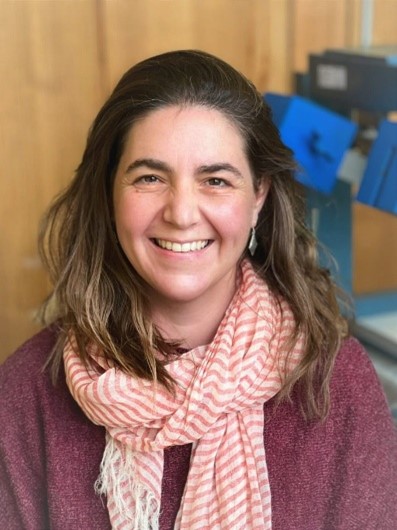
Eng. Daniela PollakBoard member (Chile - South America) Read bio |
|
|
|
|
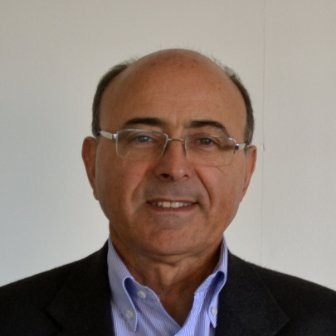
Eng. Ahmed Chraibi(Morocco - Africa) Read bio |
|
|
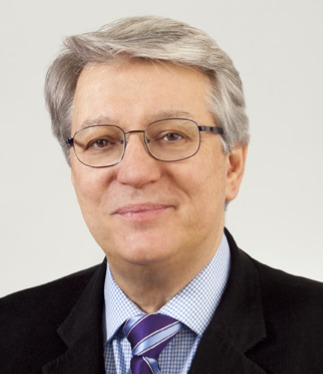
Prof. George Gazetas(Greece - Europe) Read bio |
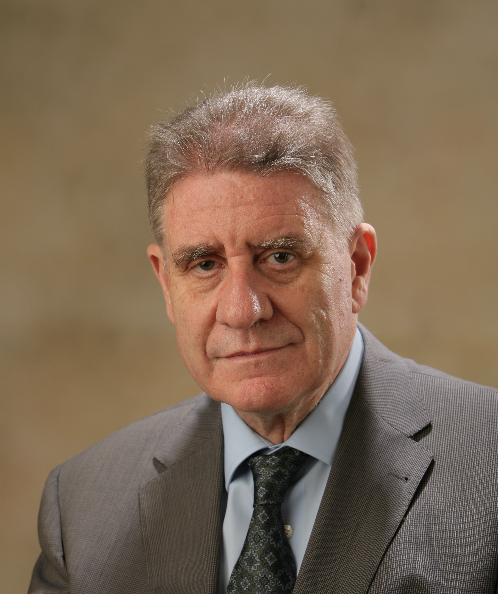
Prof. Antonio Gens(Spain - Europe) Read bio |
|
|
Dr. Jan Kupec(New Zealand - Australasia) Read bio |
|
Prof. Fernando Marinho(Brasil - South America) Read bio |
|
Prof. Neelima Satyam(India - Asia) Read bio |
|
|
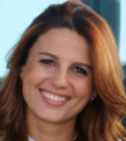 Prof. Tugce Baser
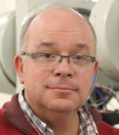 Prof. Bernardo Caicedo
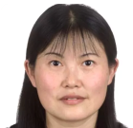 Prof. Qun Chen
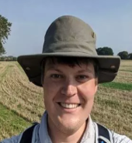 Dr. Lawrence de Leeuw
 Prof. Behrouz Gatmiri
 Prof. Hemanta Hazarika
 Eng. Will Ibim
 Prof. Enlong Liu
 Prof. Luciano Picarelli
 Dr. Ezra Y.S. Tjung
 Prof. Shu Yu
The ISSMGE "Geo-engineers Without Borders" Committee (GeoWB) was introduced by President Marc Ballouz. Pierre Delage has been invited to oversee this Committee, with Daniela Pollak, Board member, actively participating. GeoWB made a Voluntary Commitment within the framework of the United Nations Office for Disaster Risk Reduction (UNDRR).
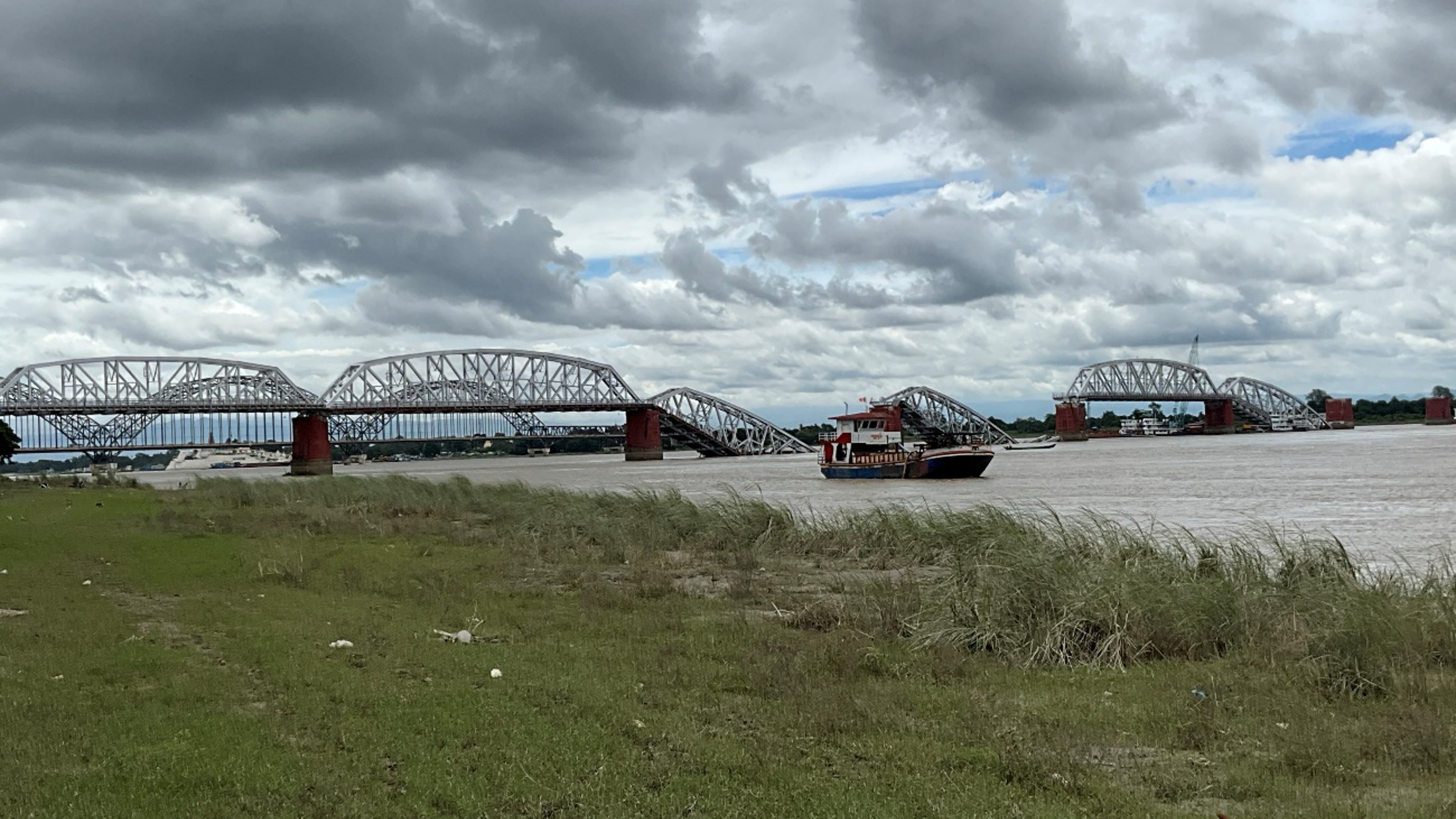
This Committee proposes to send volunteer Geo-engineers from the ISSMGE network (around 90 Member Societies and 40 Technical Committees) over the world (travel expenses covered by the ISSMGE) to areas affected by a geo-disaster (earthquakes, landslides, floods, failure of dykes, dam and tailing dams, collapse of geotechnical structures...). This proposal is made after analysing the local context and expertise in the country, utilising where possible the ISSMGE network (Member Societies, Technical Committees). The Geo-engineers afterwards prepare a comprehensive report for stakeholders and national and international authorities (describing geo-disaster and related damages, proposing a diagnosis of failure and potential remedial measures.) Particular attention is given to risk analysis and possible preventive measures for the future. The GeoWB initiative is particularly relevant in light of an increase in natural disasters due to global climatic change.